A Camera Walk Is an Easy Way to Notice Your Own Neighborhood
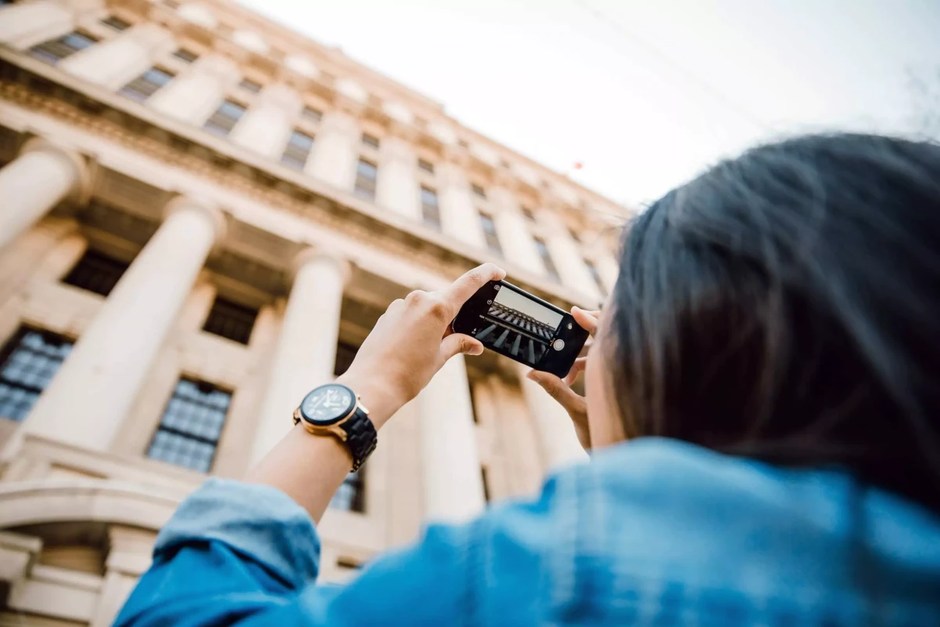
A familiar neighborhood can become almost invisible when you only move through it on the way to somewhere else. You know which crossing is fastest, where to buy groceries, and which street gets you home, so your attention begins to skip over the details in between.
A camera walk changes the purpose of the same route. Instead of walking to arrive, you walk to look. You can use a phone, a compact camera, or anything else that is comfortable to carry. The useful part is not the equipment; it is giving yourself a reason to pause.
Pick One Prompt Before You Leave
A simple constraint makes it easier to see. Choose one subject for the walk: reflections, doorways, repeated colors, handwritten signs, balconies, bicycles, shadows, old repairs, or windows with plants. The prompt does not need to produce a serious photo series. It simply directs your attention toward details you normally filter out.
Keep the prompt broad enough to surprise you. “Blue things” is often more interesting than “blue cars,” because it might lead you from a painted drainpipe to a tile pattern, a jacket in a café window, and the evening sky between buildings.
Walk Slower Than Usual
The easiest way to change what you photograph is to change your pace. Cross a street you normally stay on one side of. Stop before a familiar corner instead of after it. Look upward at upper floors and downward at pavement markings, grates, roots, and worn steps.
You do not need a long route. Twenty or thirty minutes within a few blocks can be enough when you are moving slowly. In fact, a small area often works better because you begin to search for variations rather than relying on novelty.
Work the Same Scene More Than Once
When something catches your eye, resist taking one picture and immediately moving on. Take a step left. Move closer. Include more of the surroundings, then remove them. Try the same subject from across the street. Wait for a person, bicycle, patch of sun, or moment of quiet to change the frame.
This is where a camera walk becomes practice rather than simple documentation. You learn which part of the scene actually interested you and how a small change in position alters the relationship between objects.
You Do Not Need a Special Camera
A phone is particularly good for this kind of walk because it is light and familiar. If you use a larger camera, consider taking one lens rather than a full bag. Fewer options can keep your attention on the neighborhood instead of on equipment.
Whatever you carry, make one technical choice before leaving and then forget about it as much as possible. That might mean using a favorite focal length, leaving the phone on its standard lens, or setting a camera to aperture priority. The aim is to reduce friction between noticing something and making a picture.
Review Later, Not Mid-Walk
Checking every frame breaks the rhythm of looking. Unless you need to confirm exposure or focus, wait until you are home before reviewing the set. On the walk, let a photograph be a note: “this caught my attention.” You can judge it later.
When you do review, look for patterns rather than only choosing the sharpest or prettiest image. Did you repeatedly photograph strong diagonals, quiet shopfronts, small signs of repair, or people framed by architecture? Those repetitions reveal what you were actually noticing.
What Changes After a Few Walks
Repeat the exercise at another time of day or in a different season. Morning light can turn a blank wall into the main subject; rain adds reflections; winter exposes building shapes that leaves hide in summer. The route does not need to change for the photographs to change.
The best result may not be a portfolio-worthy image. It may be recognizing that the bakery has an old tiled threshold, that a side street lines up perfectly with the sunset, or that three buildings on one block use completely different door handles. A camera walk gives ordinary surroundings back some of their detail—and that makes the next ordinary walk more interesting too.