The Ten-Minute Closet Reset That Makes Mornings Easier
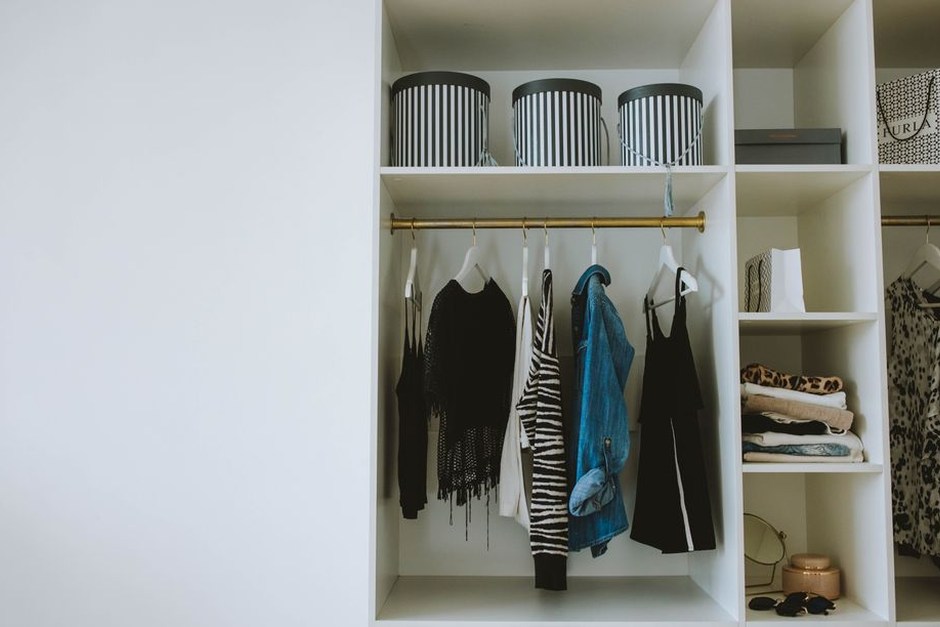
A closet rarely becomes inconvenient all at once. It happens gradually: an empty hanger stays on the rail, a clean sweater lands on the wrong shelf, tomorrow’s trousers are somewhere under a weekend bag, and clothes that need attention drift into the same space as clothes ready to wear.
A ten-minute reset is not a decluttering project. It is a short maintenance habit designed to restore the few conditions that make getting dressed easy. The goal is to finish before the task grows into an evening of reorganizing.
Reset the Landing Zone First
Most wardrobes have one surface where things accumulate: a chair, a low shelf, the top of a drawer unit, or a section of the floor. Start there because visible clutter creates the sense that the whole closet is out of control.
Pick up each item and make a quick decision. Clean clothing goes back to its normal place. Laundry goes to the basket. A bag or belt returns to its hook. Anything that belongs elsewhere in the home can sit by the door for the final minute. Do not stop to sort papers, repair a loose button, or reorganize accessories. Those are separate jobs.
Return Clothes to Their Real Homes
The fastest reset works only when everyday clothing has an obvious destination. Put shirts with shirts, trousers where you actually reach for them, and frequently used layers at a comfortable height. Turn empty hangers the same way and collect them in one section so they are easy to find after laundry.
If an item never seems to have a home, notice that rather than solving it immediately. A small basket for gym clothes or an extra hook for tomorrow’s jacket may eventually help, but tonight’s task is simply to restore the current system.
Make Tomorrow Visible
Before you close the closet, take half a minute to think about the next morning. You do not need to assemble a complete outfit. Put one likely pair of trousers or a work shirt where it is easy to see, check that the shoes you need are available, and make sure the layer appropriate for the forecast is not buried in the laundry.
This tiny step removes several decisions from the most rushed part of the day. It is especially useful when the morning includes an early train, a meeting, a school run, or any other fixed departure time.
Give “Worn but Not Dirty” a Defined Place
Clothes that can be worn again are often responsible for the famous bedroom chair. They are too clean for the laundry basket but somehow feel wrong folded back among freshly washed clothes. Choose one narrow section of rail, one hook, or one small shelf for these pieces.
Keep the boundary small. If the section fills, that is a useful signal: something should be worn again, washed, or returned to regular storage. A defined place prevents this in-between category from spreading across the room.
Stop Before You Start Reorganizing
A reset can easily turn into a bigger project when you notice an overcrowded drawer or a stack that could be folded differently. Resist the expansion. If you discover a real problem, write it down and handle it another day when you have time to make a deliberate change.
The strength of a ten-minute routine is that it remains small enough to repeat. You are maintaining a useful baseline, not trying to create a perfect wardrobe every evening.
A Routine That Can Stay Small
Finish by returning anything that belongs outside the bedroom and setting a timer stop, even if one corner is not ideal. In most weeks, two or three quick resets are enough to prevent the closet from reaching the point where it needs a long rescue session.
Mornings become easier not because every shirt is color-coded, but because the ordinary things are where you expect them to be. Ten focused minutes can restore that predictability—and then the rest of the evening can remain yours.